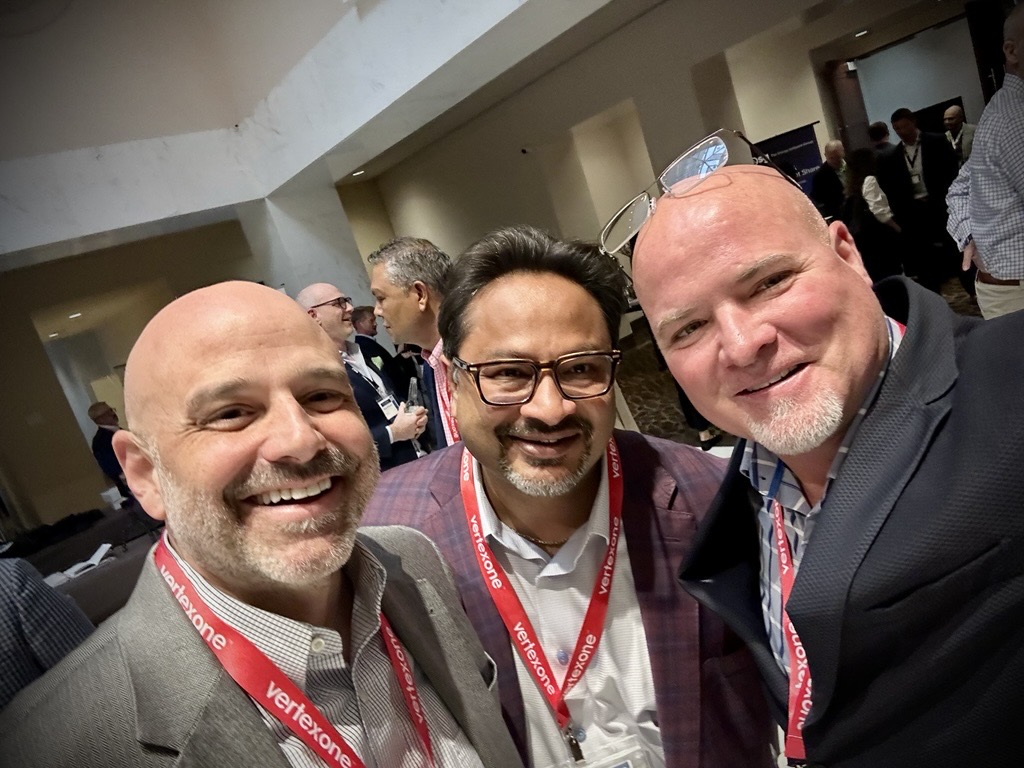
Inside EMC 25: How Technology, AI, and Trust Are Reshaping Energy Marketing

Every energy conference promises insight into what’s next for the industry. The Energy Marketing Conference (EMC) delivered something more valuable: clarity on where the industry already is—and where it’s headed.
EMC wasn’t a traditional marketing event. It was a gathering of leaders navigating a familiar but evolving reality: energy marketing now sits at the intersection of technology, operations, regulation, and trust among business and consumers working on critical conversations about the future of the marketplace.
Leaders weren’t debating whether technology matters. They were focused on how to apply market trends, new technologies, how AI, data, and digital platforms will impact how energy businesses will operate in the future. As Matt McGaughey put it, “People think energy is boring, but it’s probably one of the hottest commodities in the marketplace today.”
This wasn’t discouraging—it was energizing. The tone across sessions and side conversations reflected an industry leaning in, sharing lessons, and moving from experimentation toward execution. Cory Foust noted that hearing directly from the people doing the work every day creates a very different level of understanding than reading about it secondhand.
One of the clearest themes was sustainability—and not in the way it’s often discussed. Sustainability wasn’t framed as a product, an initiative, or a checkbox. It was framed as trust. Brad Luna captured it well when he said sustainability may start with something tangible, but “the way we leverage sustainability as an organization is much broader than that.” Matt reinforced the same idea by describing sustainability as trust, consistency, and something that should outlive any single individual.
That perspective shaped how Spinakr showed up at EMC. Rather than operating on the sidelines, the team leaned into the experience—helping where needed, supporting the event itself, and engaging in conversations that went beyond surface‑level networking. Brad described the mindset simply: “We don’t just show up and do what we’re told. We show up asking, ‘How can we help?’”
The more time spent in the room, the clearer the real differentiator became. Brad summed it up plainly: “While products capture attention, our people are actually the asset.”
That same mindset applies to the broader opportunity in energy today. Organizations are navigating AI adoption, acquisition activity, and increasing complexity, but they aren’t looking for one‑off tools or transactional vendors. Cory observed that executives don’t need more friends—they need people they can trust. And often, it’s the small moments that matter most. “The little interactions are the most valuable part of it,” he said.
This is where Spinakr and Brandworkz continue to focus energy. Not on chasing trends, but on helping organizations translate complexity into progress—connecting strategy, technology, and execution in ways that hold up over time. Mary Kirk captured the shift well when she noted that many energy companies are starting to behave more like technology companies than traditional energy businesses.
Reflecting on the conference, Brad pointed out that the real value wasn’t immediate pipeline. It was perspective. “The biggest value we got had nothing to do with leads,” he said. “It was about opening eyes to what’s possible and identifying ideas we should bring to the marketplace.”
Energy isn’t standing still. And the encouraging signal from EMC is that neither are the people leading it. The work ahead is about applying technology thoughtfully, strengthening relationships, and building systems that last. That’s the work Spinakr is committed to doing—alongside the industry.
Ready to turn complexity into clarity? Talk with a Spinakr energy advisor to explore how we help energy organizations modernize responsibly and build systems that last.